+86-15916242887 


You know, in the world of electrical engineering, things are always changing, and picking the right components can really make or break how well a device works and how reliable it is. One key player here is the Signal Choke — it might sound pretty technical, but honestly, it’s crucial for keeping signals clear and fighting off electromagnetic interference, or EMI for short. I recently came across a report from MarketsandMarkets that estimates the global EMI shielding market — which includes Signal Chokes and similar tech — will hit around $7.88 billion by 2026. That’s a solid growth rate of about 6.5% per year, which just shows how much more important good signal management is becoming, especially as we rely more and more on complex electronic systems in our daily lives.
If you’re picking out a Signal Choke for a project, there are a few things you really need to keep in mind — like impedance, saturation current, and DC resistance. These little details can really make a difference in how well your circuit performs. Getting a good grasp on these parameters helps engineers create circuits that meet industry standards while also working better overall. Plus, with companies like TDK and Vishay leading the way in magnetic tech innovations, it’s more important than ever to stay up-to-date on the latest in Signal Choke design if you want your projects to hit the mark and perform at their best.
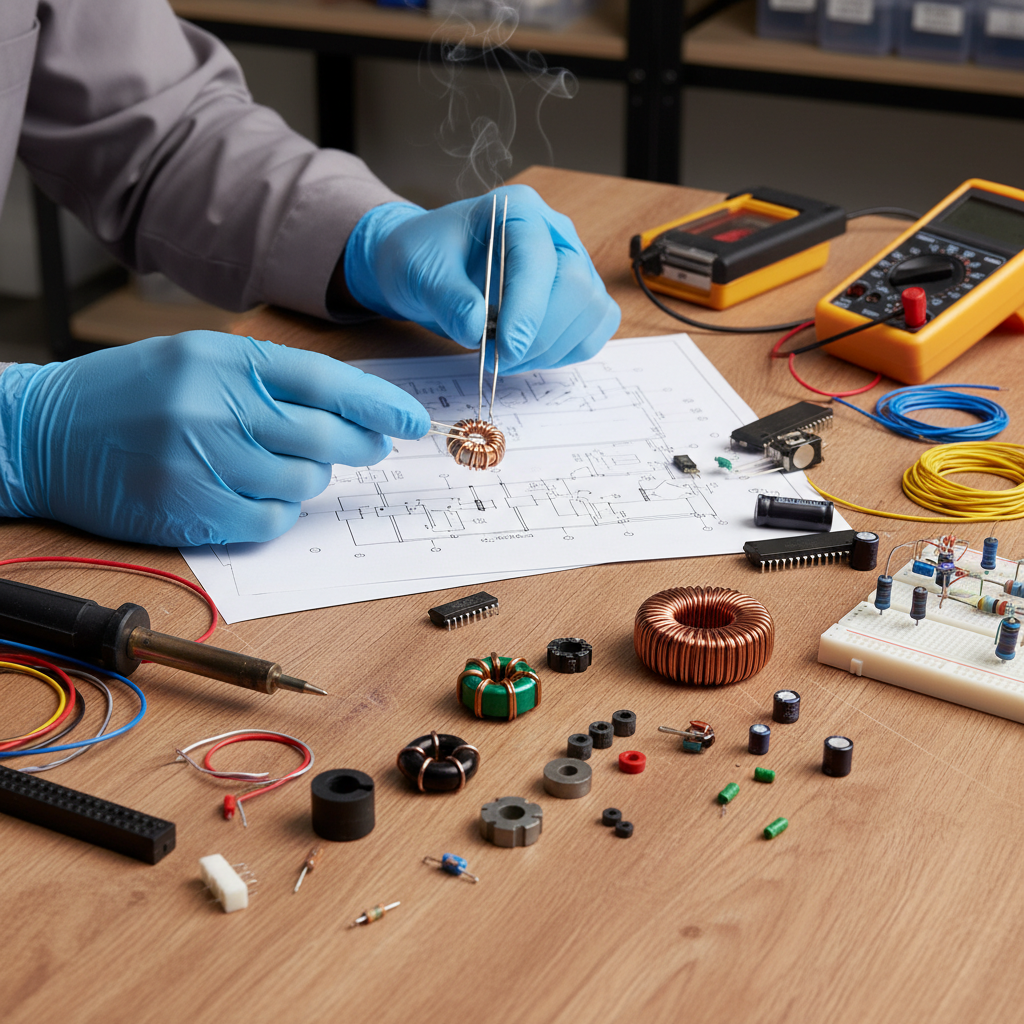
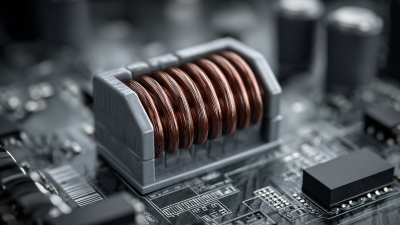
Signal Chokes, essential components for maintaining signal integrity in electrical projects, are available in various types, each serving unique functions. These passive electronic devices primarily suppress high-frequency noise while allowing the desired signal to pass through. The most common types of Signal Chokes includecommon mode chokes and differential mode chokes, each addressing different noise interference scenarios. According to industry reports, the global inductor market, which includes Signal Chokes, is projected to reachUSD 4.2 billion by 2026, driven by the increasing demand in telecommunications and consumer electronics.
When selecting the right Signal Choke, it’s essential to consider factors such as theapplication frequency range, impedance characteristics, and current ratings. Tips for choosing the right Signal Choke include assessing the environmental conditions it will operate in, such as temperature and humidity levels. Moreover, ensuring compatibility with existing components and adhering to regulatory standards can significantly enhance performance and reliability.
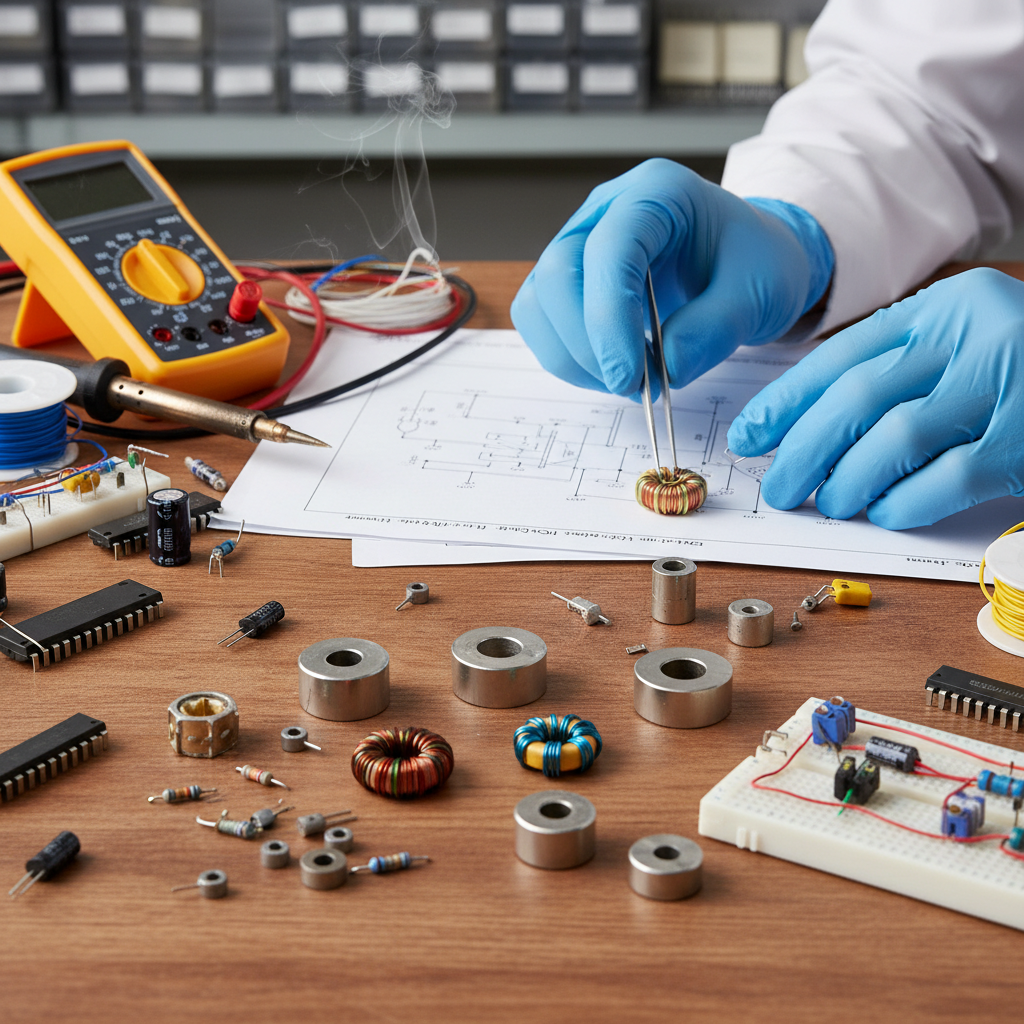
For those engaged in developing or refining electrical projects, understanding the nuances of Signal Chokes is vital. Consulting technical datasheets and collaborating with manufacturers, likeZhuhai Eastever Electronic Co., Ltd., which specializes in passive electronic components including inductors and coils, can provide valuable insights and assist in making informed decisions tailored to specific project needs.
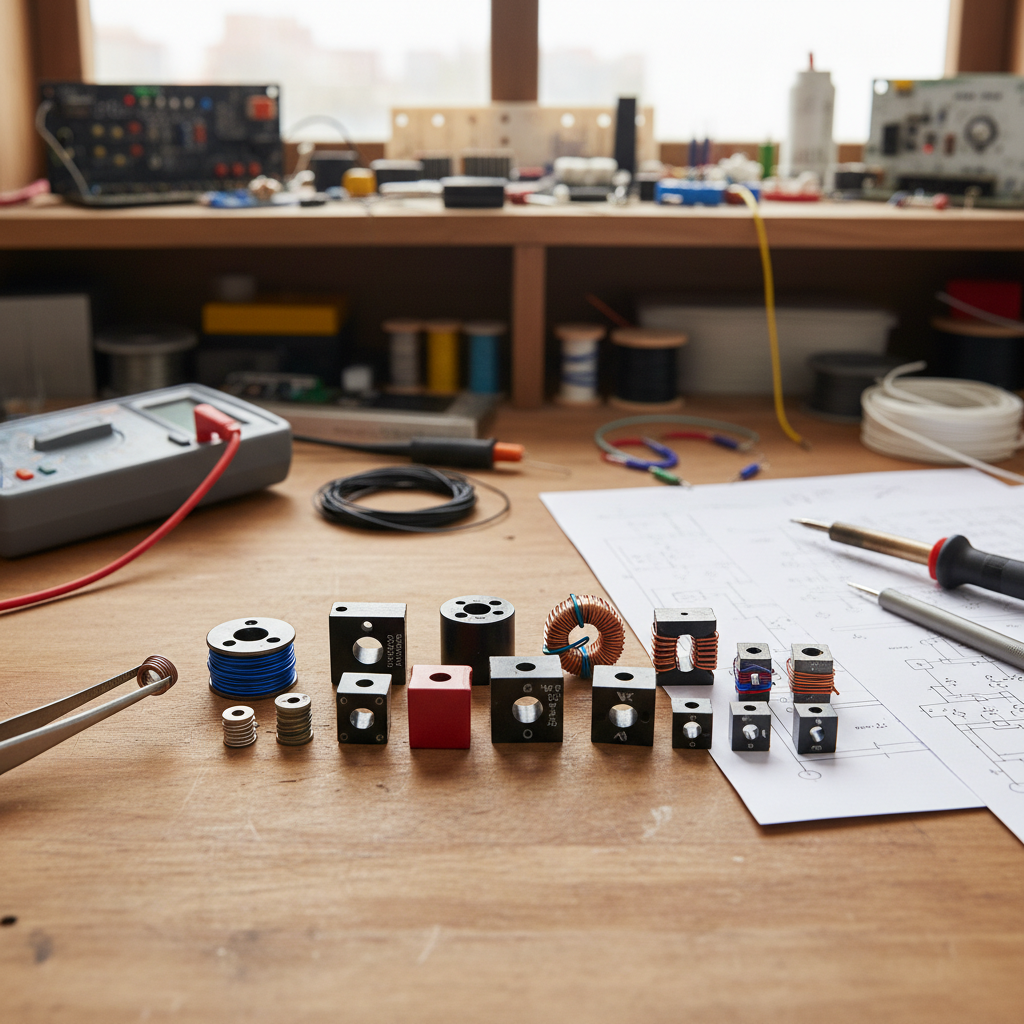
When selecting a Signal Choke for your electrical projects, several key factors need to be considered to ensure optimal performance and reliability. The first factor is the choke's inductance value. A choke with too low inductance may not sufficiently filter out unwanted noise, while one with too high inductance could affect the signal integrity. It's crucial to match the inductance to your project's specific frequency requirements for effective filtering.
Another important aspect is the current rating of the choke. Make sure the choke can handle the maximum current that will flow through it without overheating or saturating. This is vital for maintaining the longevity of both the choke and the overall project. Additionally, the physical size and mounting options should align with your design specifications to ensure proper integration into your setup.
Tip: Always check the manufacturer's datasheets for detailed specifications on inductance and current ratings. It can save you a lot of time and ensure that you choose the right component.
Tip:Consider the operating environment of your project, as factors like temperature and humidity can affect choke performance. Choose a Signal Choke that is rated for the conditions it will face.
When it comes to electrical projects, selecting the right signal choke is crucial for ensuring signal integrity and minimizing interference. Signal chokes are widely used in various applications, including telecommunications, consumer electronics, and automotive systems. They play a vital role in filtering out noise and maintaining consistent signal transmission, which enhances overall system performance.
According to a recent report, the global common-mode chokes market is expected to grow significantly, projected to reach $0.92 billion by 2030. This growth is indicative of the increasing demand for efficient noise suppression techniques across multiple sectors. Applications such as data communications and power supply filtering are significantly benefiting from the advancements in choke technology. Manufacturers are focusing on developing more compact and effective designs to meet the stringent requirements of modern electronic devices, which are more susceptible to electromagnetic interference.
As industries increasingly rely on high-speed data transmission and sensitive equipment, the importance of signal chokes in mitigating issues related to electromagnetic interference cannot be overstated. With the ongoing developments in this market, users of signal chokes can expect enhanced options tailored to meet the specific needs of their electrical projects.
When selecting a signal choke for electrical projects, evaluating specifications such as impedance and rated current is crucial for ensuring optimal performance. Impedance, which is a measure of how the choke restricts the flow of alternating current, can significantly affect the overall efficiency of your circuit. According to a report by the Electronic Industries Alliance, a choke with an impedance that matches the circuit requirements can improve signal integrity by up to 40%. This relationship highlights the importance of choosing a choke with the appropriate impedance to minimize signal loss and distortion.
Rated current is another key specification to consider. Chokes have a maximum rated current that, if exceeded, can lead to overheating and failure of the component. A recent study published in the Journal of Power Electronics identified that exceeding the rated current by just 20% can reduce the lifespan of a choke by nearly 50%. Therefore, it’s essential to select a choke that not only meets but comfortably exceeds the anticipated current load in your application. This safeguard helps maintain performance and reliability in demanding electrical environments.
This chart shows the evaluation of different signal choke specifications based on impedance and rated current suitable for various electrical projects.
When sourcing high-quality signal chokes for your electrical projects, it's essential to focus on several critical factors to ensure optimal performance. Signal chokes, designed to suppress high-frequency noise in signals, must meet specific criteria to perform effectively. Industry reports indicate that improper selection of signal chokes can lead to a 20-30% reduction in signal integrity, significantly affecting the functionality of electronic devices.
One key tip is to assess the choke's material. Ferrite cores are often recommended due to their high-frequency response and temperature stability. Additionally, pay attention to the choke's rated current and inductance values. According to a recent study by the Electronics Industry Association, choosing signal chokes with compatible specifications can enhance circuit efficiency by up to 25%.
Another important consideration is the choke's size and footprint. Ensure that the physical dimensions align with your design requirements without compromising performance. It's advisable to consult datasheets and reviews from reputable manufacturers to gauge the reliability of their products. In the competitive market, selecting a trusted supplier can significantly impact the quality and longevity of your electrical projects.
: Impedance measures how a choke restricts the flow of alternating current, which affects the overall efficiency and signal integrity of a circuit.
Choosing a choke with the appropriate impedance can improve signal integrity by up to 40%, minimizing signal loss and distortion.
Rated current is the maximum current that a choke can handle; exceeding this limit can lead to overheating and component failure, significantly affecting performance.
Exceeding the rated current by just 20% can reduce the lifespan of a choke by nearly 50%.
Ferrite cores are often recommended for their high-frequency response and temperature stability.
Improper selection can lead to a 20-30% reduction in signal integrity, negatively impacting the functionality of electronic devices.
It's important to consider the choke's material, rated current, inductance values, size, and footprint to ensure optimal performance.
It's advisable to consult datasheets and reviews from reputable manufacturers to assess the reliability of their products.
Choosing a trusted supplier can significantly affect the quality and longevity of your electrical projects in a competitive market.
Choosing the right signal choke is crucial for ensuring the efficiency and performance of electrical projects. Signal chokes come in various types, each fulfilling specific functions. Key factors to consider when selecting a signal choke include impedance requirements, rated current, and the intended application. These components are widely used in various electrical applications, where they help to filter unwanted signals and improve overall signal integrity.
When sourcing high-quality signal chokes, it is essential to evaluate their specifications carefully. Companies like Zhuhai Eastever Electronic Co., Ltd. leverage over a decade of experience in passive electronic components to deliver reliable products, including signal chokes, that meet stringent quality standards. Considering the right type and specifications will ensure optimal performance in your projects.